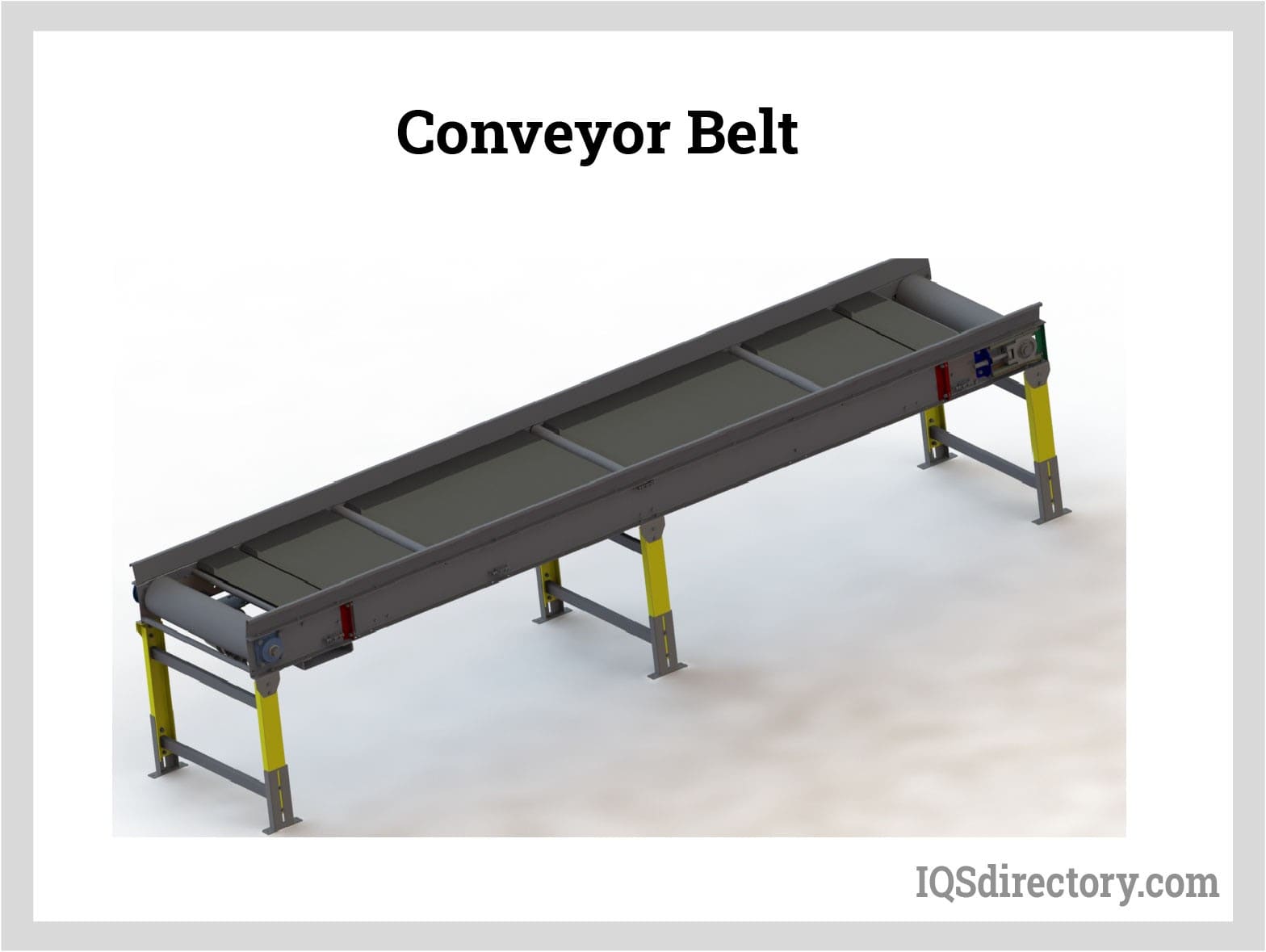
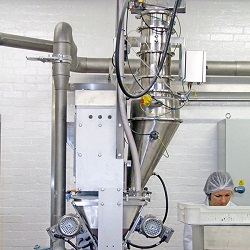
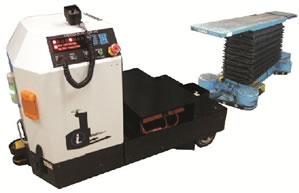
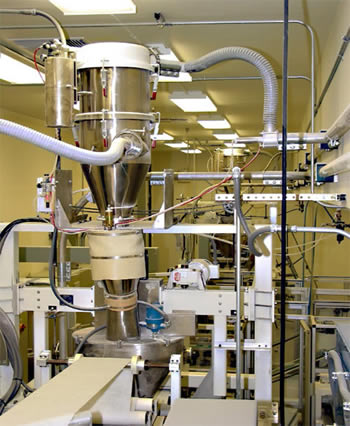
While plastic belts are used mostly in factories, warehouses and plants, plastic conveyor belts are also seen in airports, at post offices, packaging facilities, mills and bottling plants. They transport raw materials, finished products, packages or parts, and they are the number-one choice in the food and beverage processing industry because they are easy to clean and sanitize and are non-contaminating. Read More…
For more than 60 years, we have been offering innovative conveyor belting to customers worldwide. Our full line of products include perforated belts, vacuum belts, nylon core belts, and plastic modular belting. We have grown our reputation based on providing outstanding customer service as well as conveyor belt materials that will provide long-lasting value. For more information on how we may be...

At Shipp Belting, we specialize in manufacturing and distributing high-quality conveyor belts designed to meet the diverse needs of industrial operations. With decades of experience behind us, we’ve built our reputation on reliability, technical expertise, and a deep understanding of how material handling impacts overall efficiency.

At Mol Belting Systems, we specialize in providing high-quality conveyor belts designed to meet the diverse needs of industries worldwide. Our product range includes an extensive variety of conveyor solutions, such as modular plastic belts, polyurethane, and rubber conveyor systems, all engineered for efficiency, durability, and superior performance.

We have a wide range of products that allow us to find the right solutions for all our customer’s material handling needs. We provide conveyor belts made out of variety of materials. Our research and development department works hard to ensure that we are bringing our customers products that are on the leading edge of innovations at all times. For more information on how we may be able to...





More Plastic Conveyor Belt Manufacturers
Most plastic conveyor belts are FDA or USDA food grade approved and can handle light to medium duty weights. The meat processing, dairy, vineyard, fruit and vegetable and chocolate industries use plastic for all or most of their conveying needs. These belts come in many different configurations, but most are flexible and easy to install.
They exhibit a high resistance to abrasion, cracking, wicking and edge fraying and can handle oils and fats well. Thermoplastics are known for their high resistance to extreme temperatures; plastic belts are fully operational at a temperature range of anywhere from 34ºF to 200ºF.
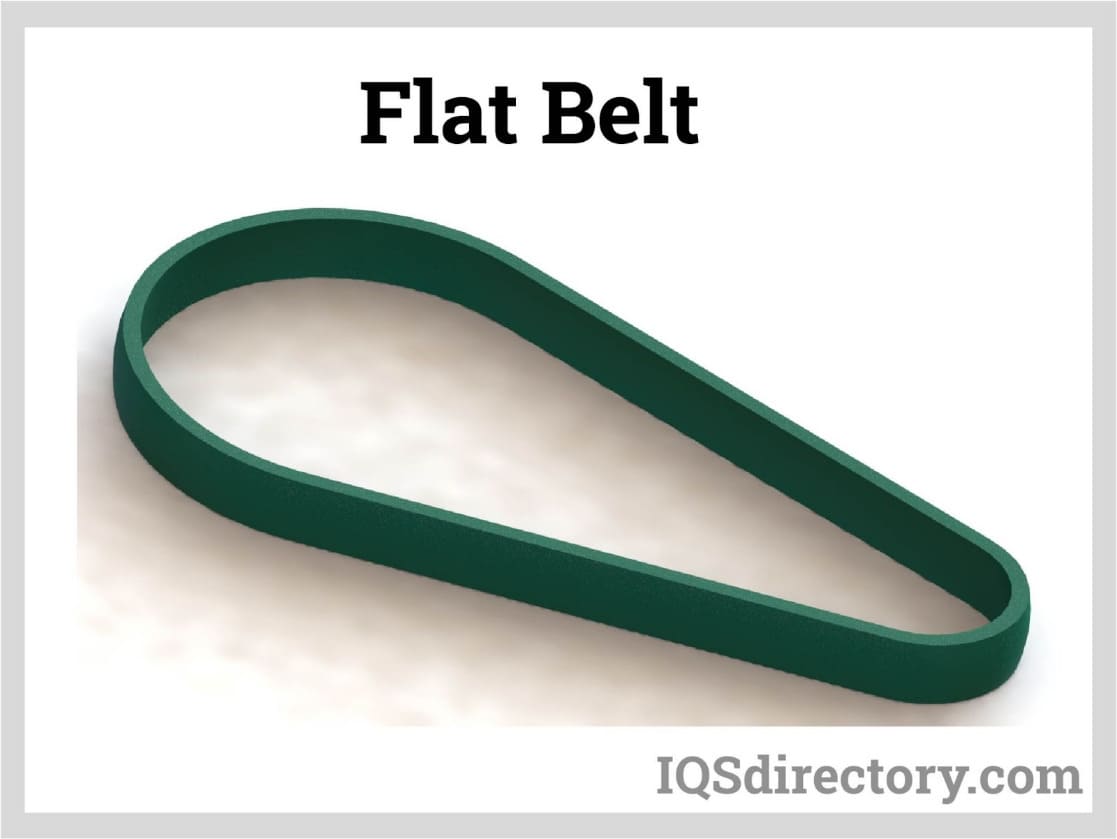
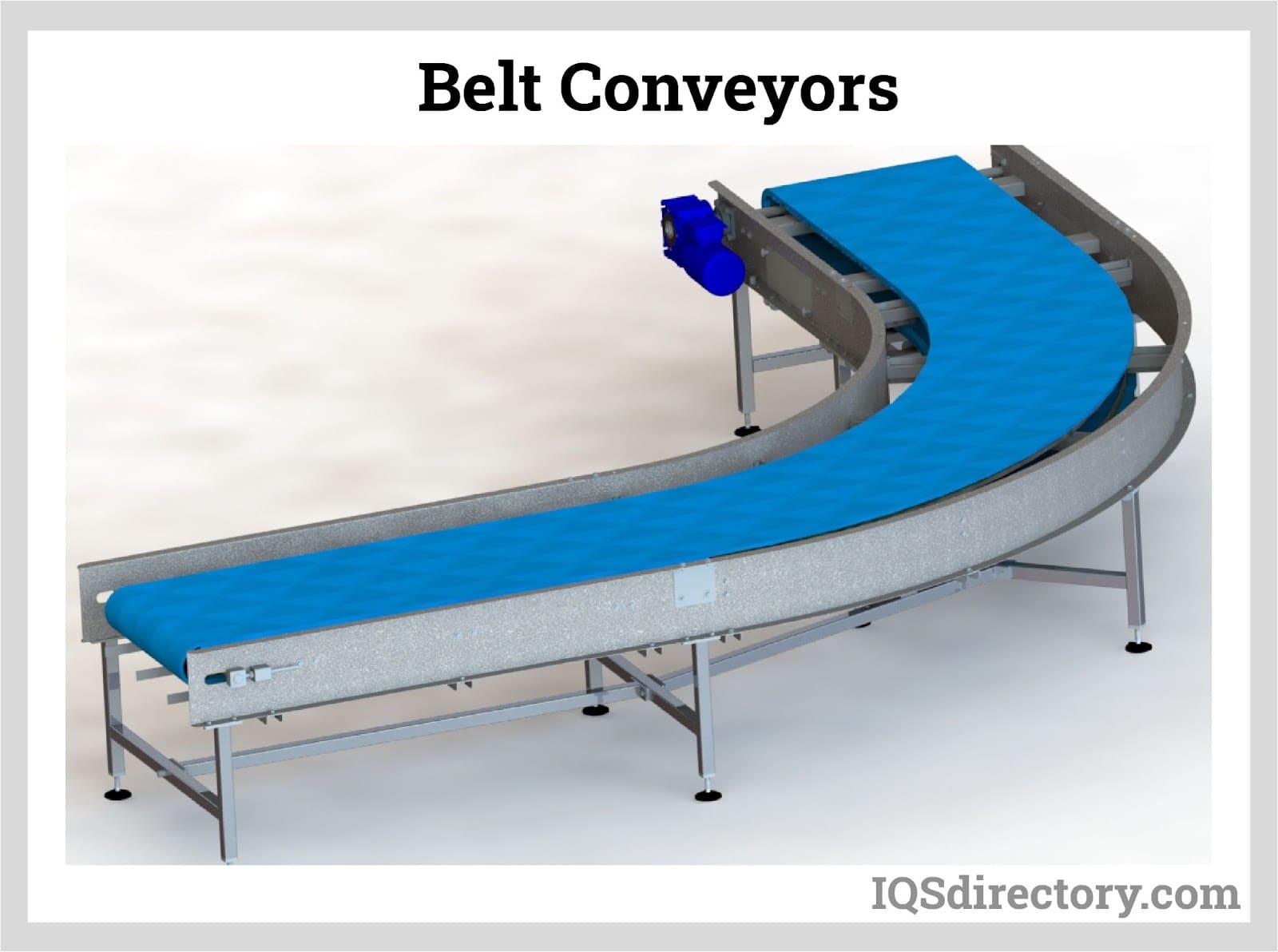
Like most conveyor belts, plastic belts are commonly run by an electric motor. They are ideal for continuous conveying and come in many different forms. For loose materials, flat, fabric-reinforced belts are used because they are non-porous, watertight and do not contain any holes. This conveyor type is most likely welded together, and like all plastic belts it does not require the use of any adhesives. Other flat top plastic belts are composed of uniform, interlocking plastic pieces.
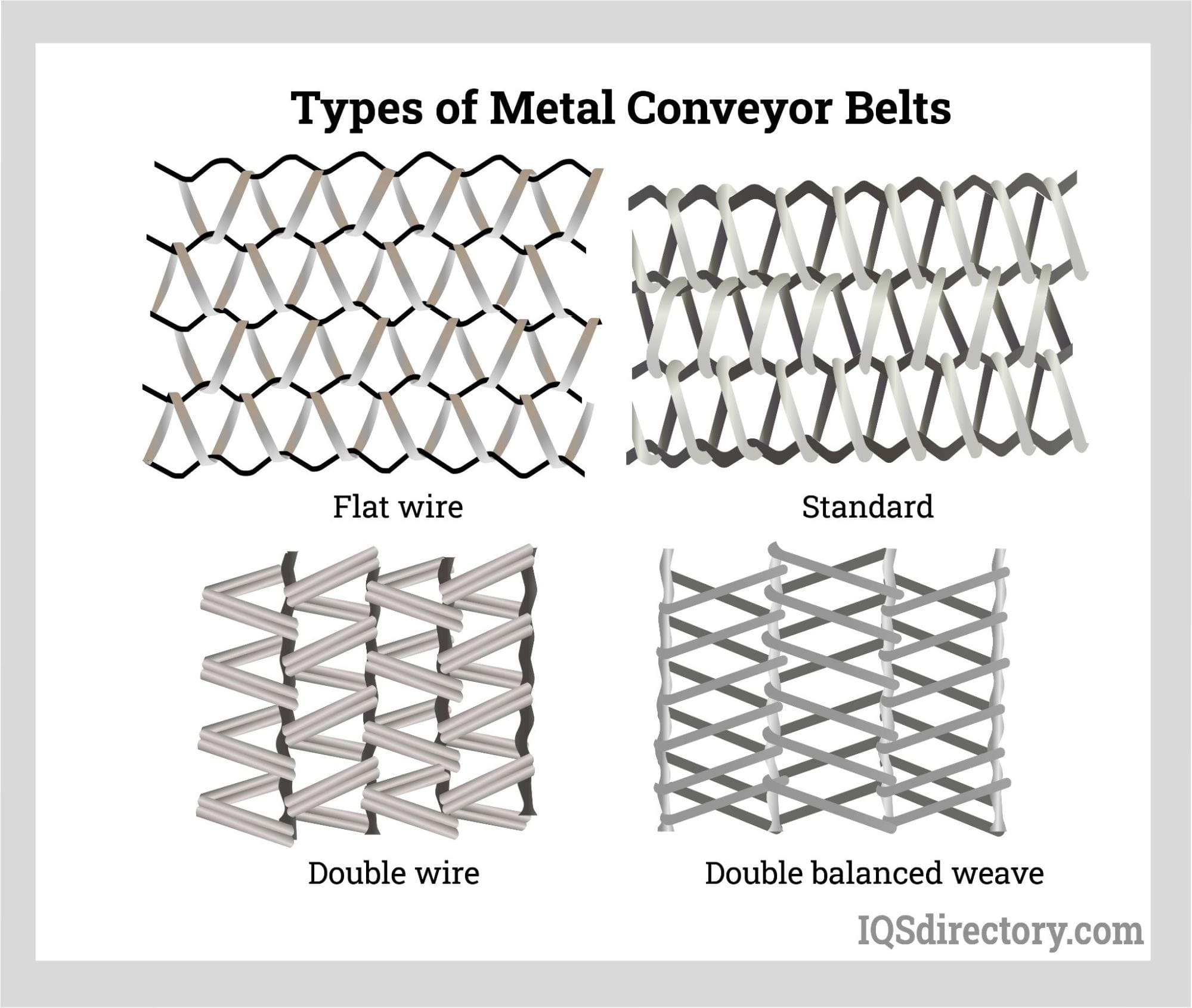
They increase the belt's flexibility and are easy to install and alter if necessary. Other types may be woven, perforated, a grid, ribbed or mesh. These all have holes and are used mainly for larger objects like packages. While plastic conveyor belts are anti-static and non conductive, meaning static electricity sparks are rare, it is best not to convey especially flammable or combustible materials in order to reduce the possibility of a fire. In comparison to metal or rubber conveyor belts, those made from thermoplastics are inexpensive, long-lasting and easy to install.