At Shipp Belting, we specialize in manufacturing and distributing high-quality conveyor belts designed to meet the diverse needs of industrial operations. With decades of experience behind us, we’ve built our reputation on reliability, technical expertise, and a deep understanding of how material handling impacts overall efficiency. We offer a wide range of conveyor belting solutions tailored for industries such as food processing, packaging, agriculture, mining, and manufacturing. Our product lineup includes everything from lightweight thermoplastic belts to heavy-duty rubber belting engineered for the most demanding environments.
We pride ourselves on delivering more than just products—we provide full-service support that begins with custom belt fabrication and extends through installation, on-site consultation, and ongoing maintenance. Our in-house capabilities allow us to engineer belts with specialized coatings, cleats, lacing, and tracking features that solve complex conveying challenges. We work closely with our customers to develop solutions that optimize performance, reduce downtime, and extend equipment life. Whether the goal is increasing throughput, maintaining hygiene standards, or improving energy efficiency, we bring the technical knowledge and responsive service that keep production lines running smoothly.
Conveyor Belts Power Pages
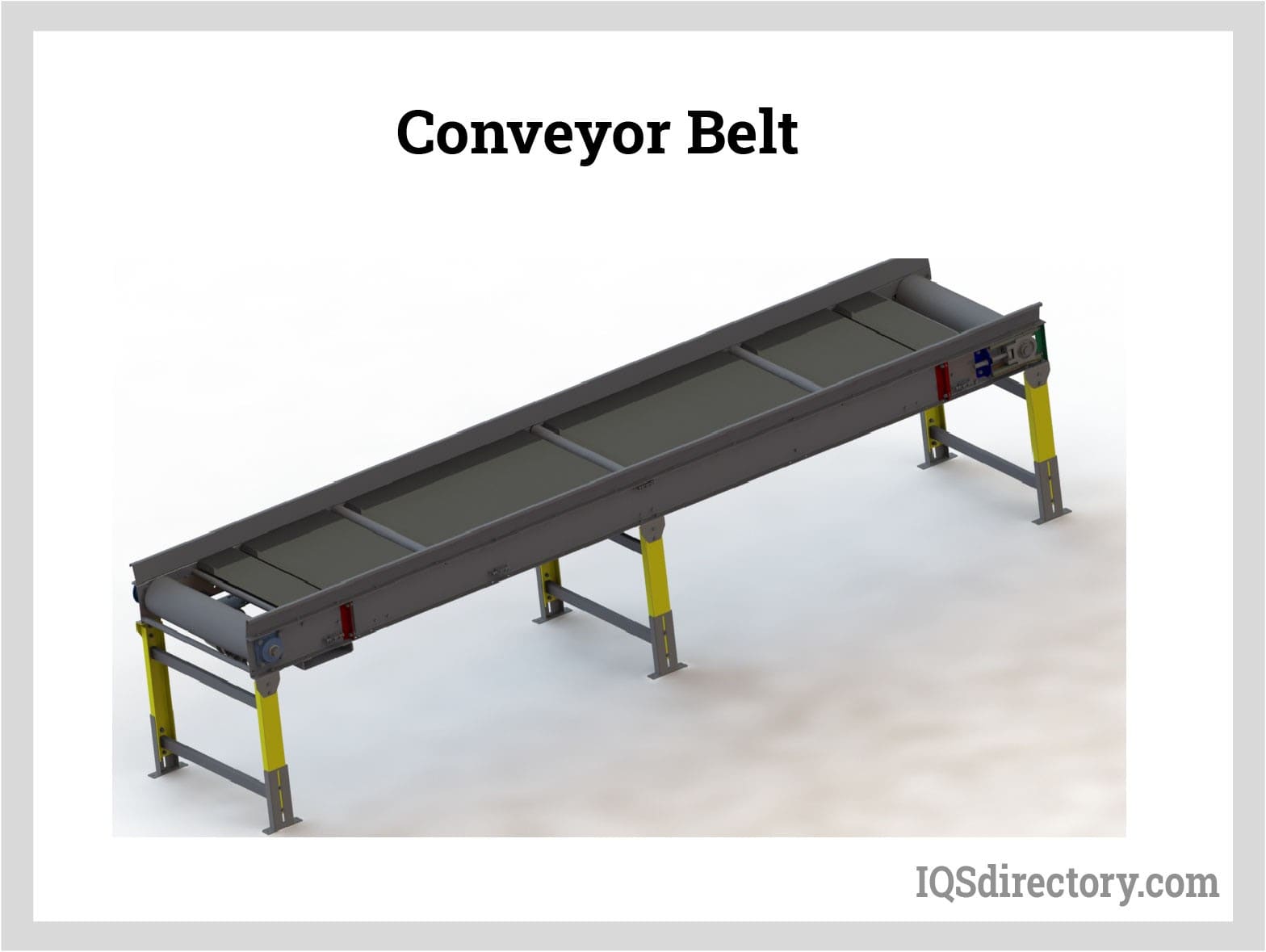
Conveyor Belts
A conveyor belt is a material handling system designed to move supplies, materials, and components using an efficient and effortless process that saves on time, energy, and cost. The design of conveyor belts includes two motorized pulleys with the conveyor material looped over them…
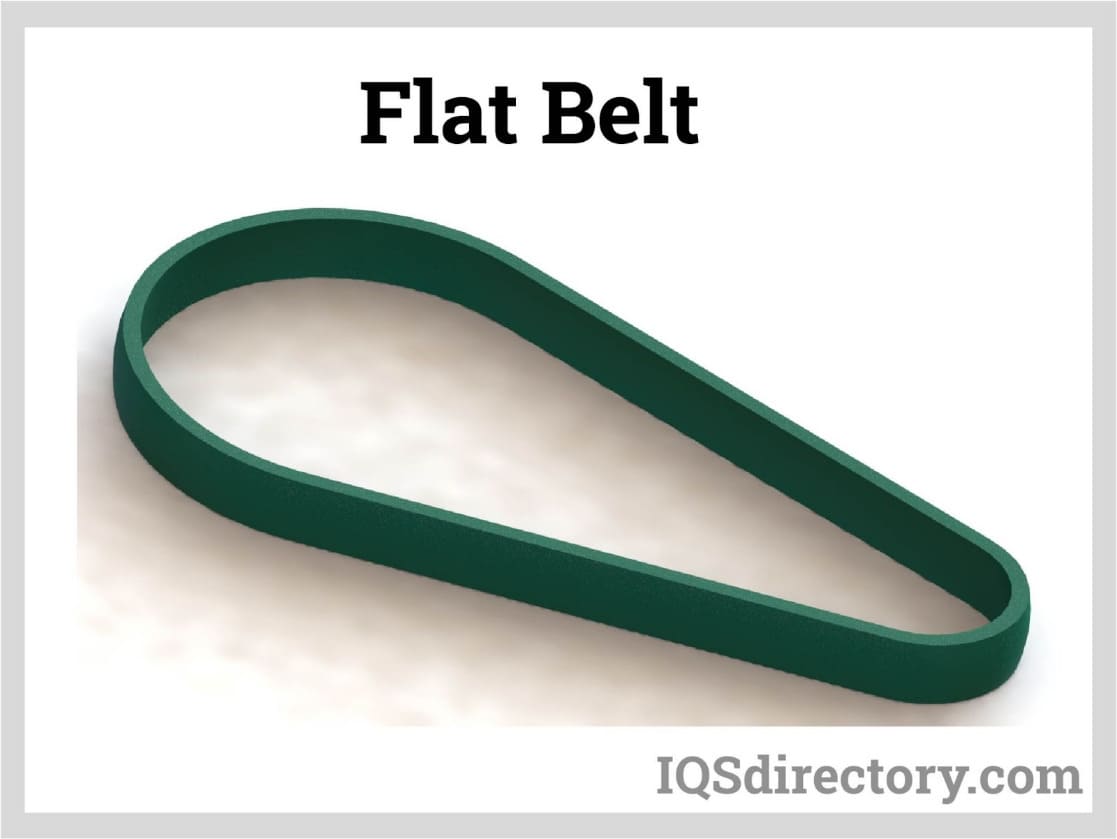
Flat Belts
Flat belts are power transmission belts that are flat and made of rubber, synthetic composites, or leather. They are used to transfer rotational power in industrial equipment and conveyor systems. Flat belts have a low profile…
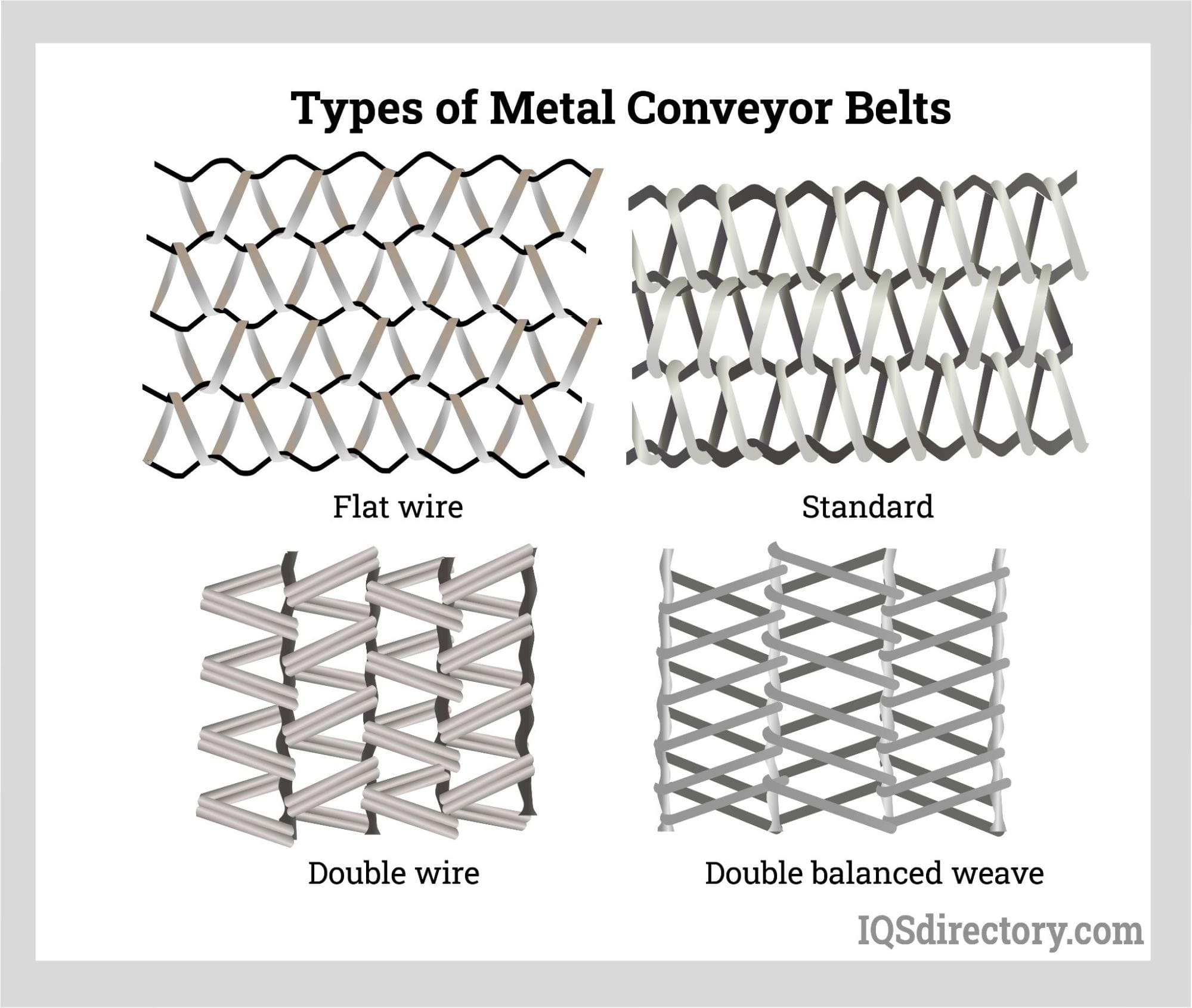
Metal Conveyor Belts
A metal conveyor belt is a conveyor belt that uses metal in the form of flat sheets or woven wire mesh as its belt surface. The use of a metal surface enhances the ability of a conveyor to handle parts and components that may be…
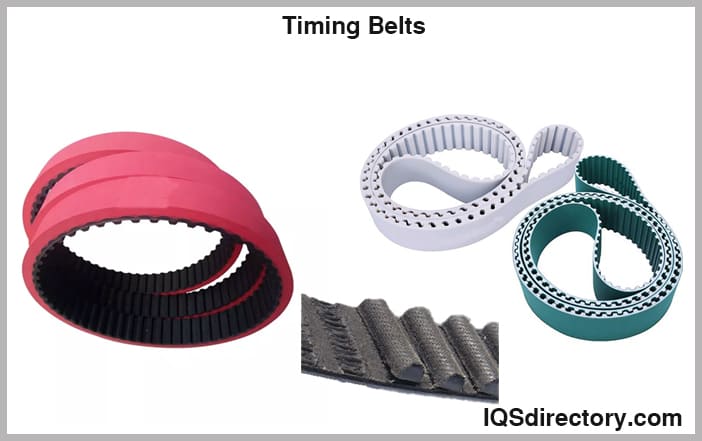
Timing Belts
A timing belt is made of rubber with hard teeth capable of interlocking with camshafts and crankshafts cogwheels. It is an integral component of an internal combustion engine responsible for…
V-Belts
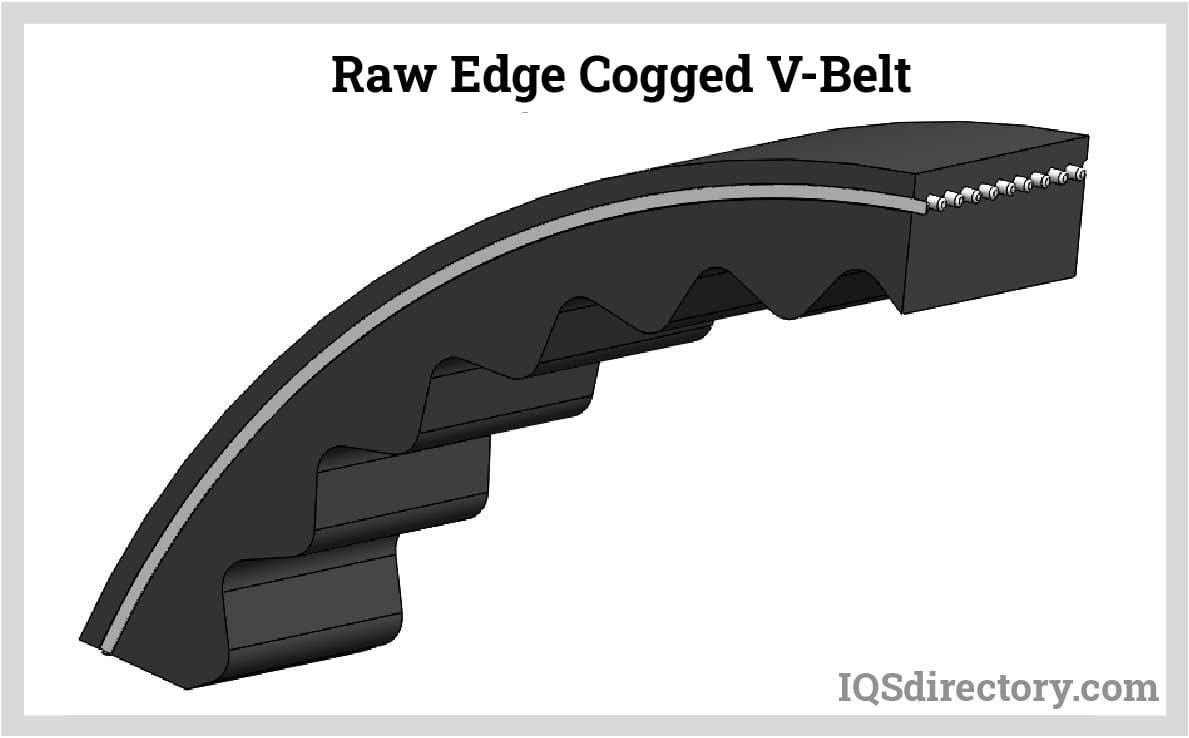
A v-belt is a flexible machine element used to transmit power between a set of grooved pulleys or sheaves. They are characterized as belts having a trapezium cross-section…
Belt Conveyors
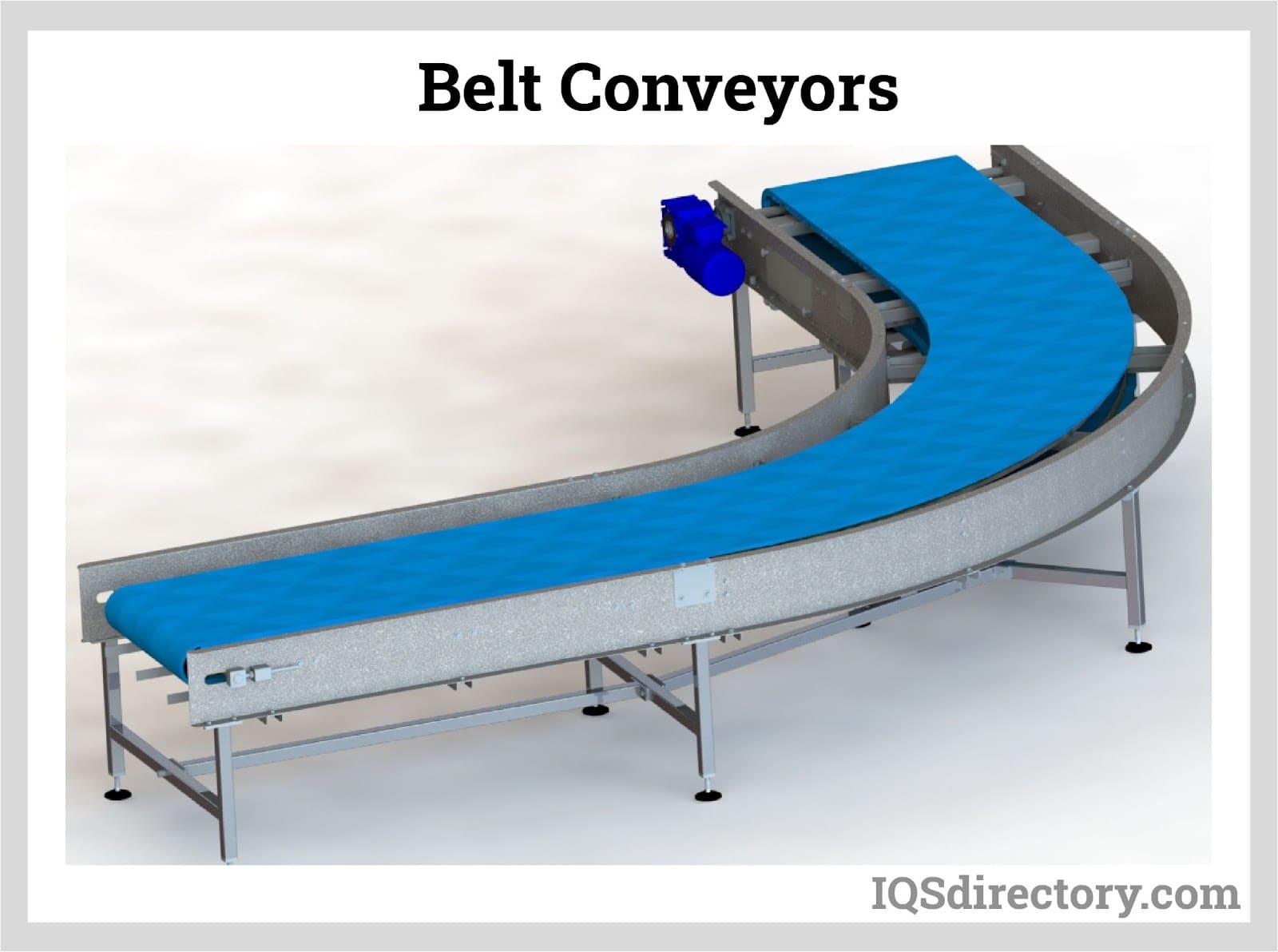
A belt conveyor is a system designed to transport or move physical items like materials, goods, even people from one point to another. Unlike other conveying means that employ chains, spirals, hydraulics, etc., belt conveyors…
Conveyor Systems
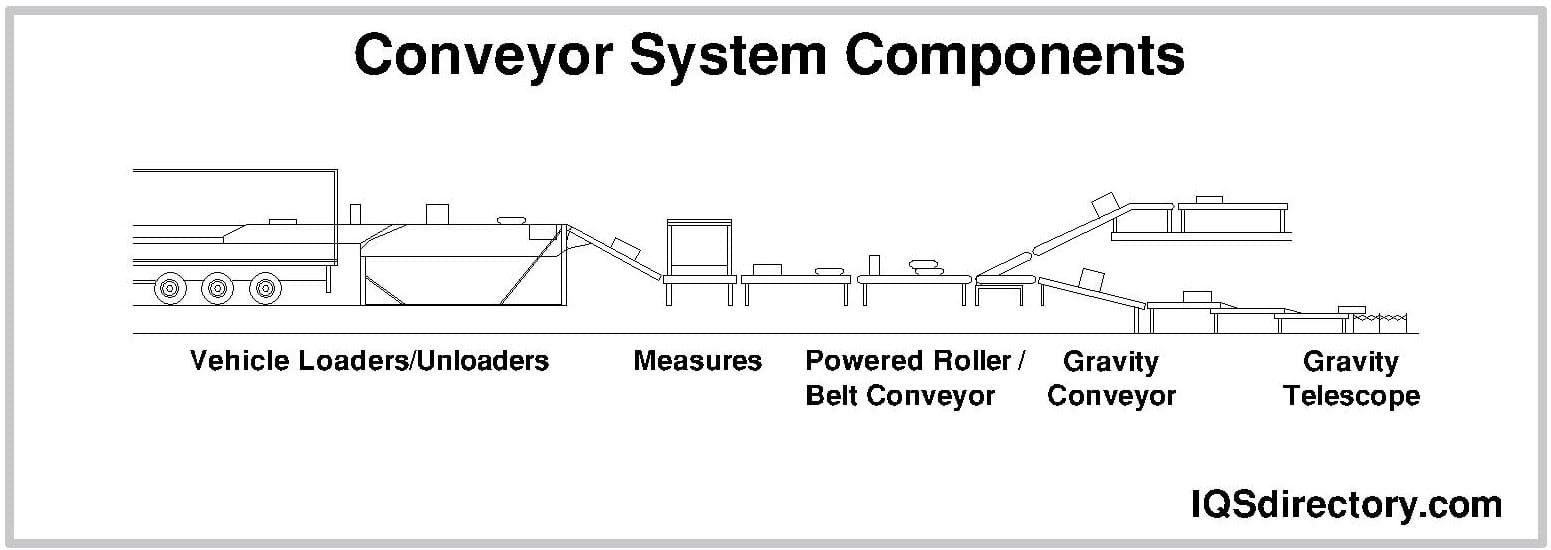
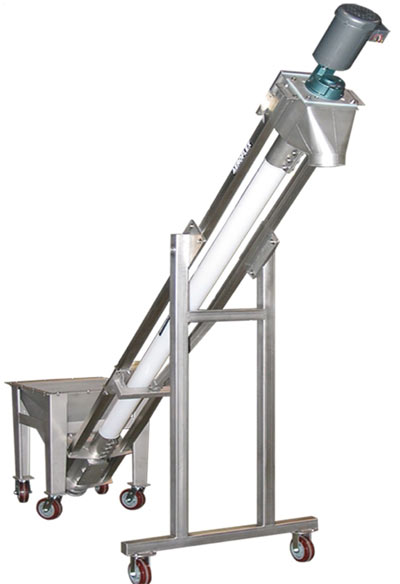
A conveyor system is a method for moving packages, products, supplies, parts, and equipment for production, shipping, or relocation. The different types of conveying systems include pneumatic, screw, belt, and roller…
Palletizers
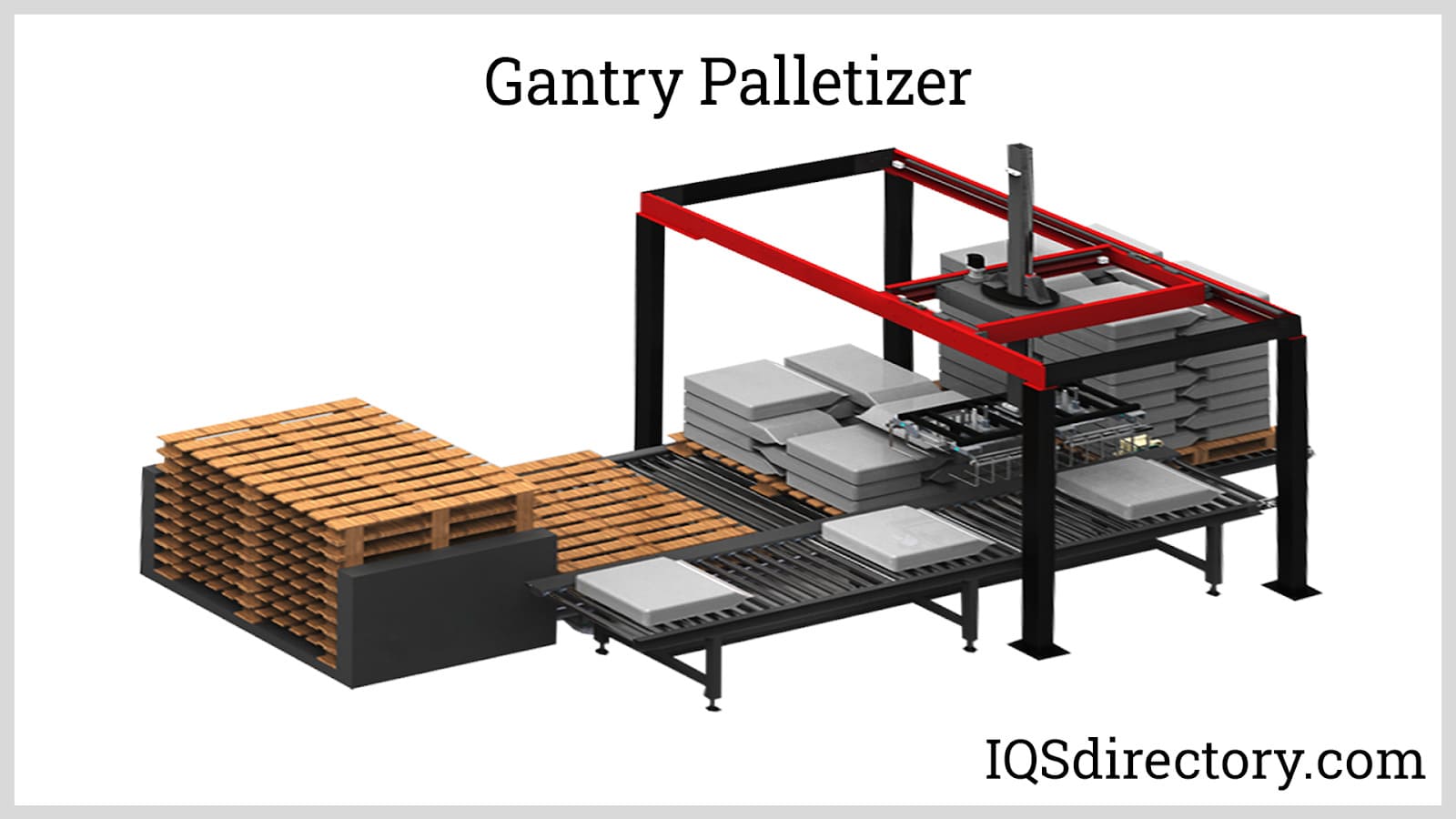
A palletizer is an automated material handling machine used to stack and orient several individual products into a single load for a more convenient and economical method of handling, storage, and shipment. Palletizers are usually part of a bigger packaging process…
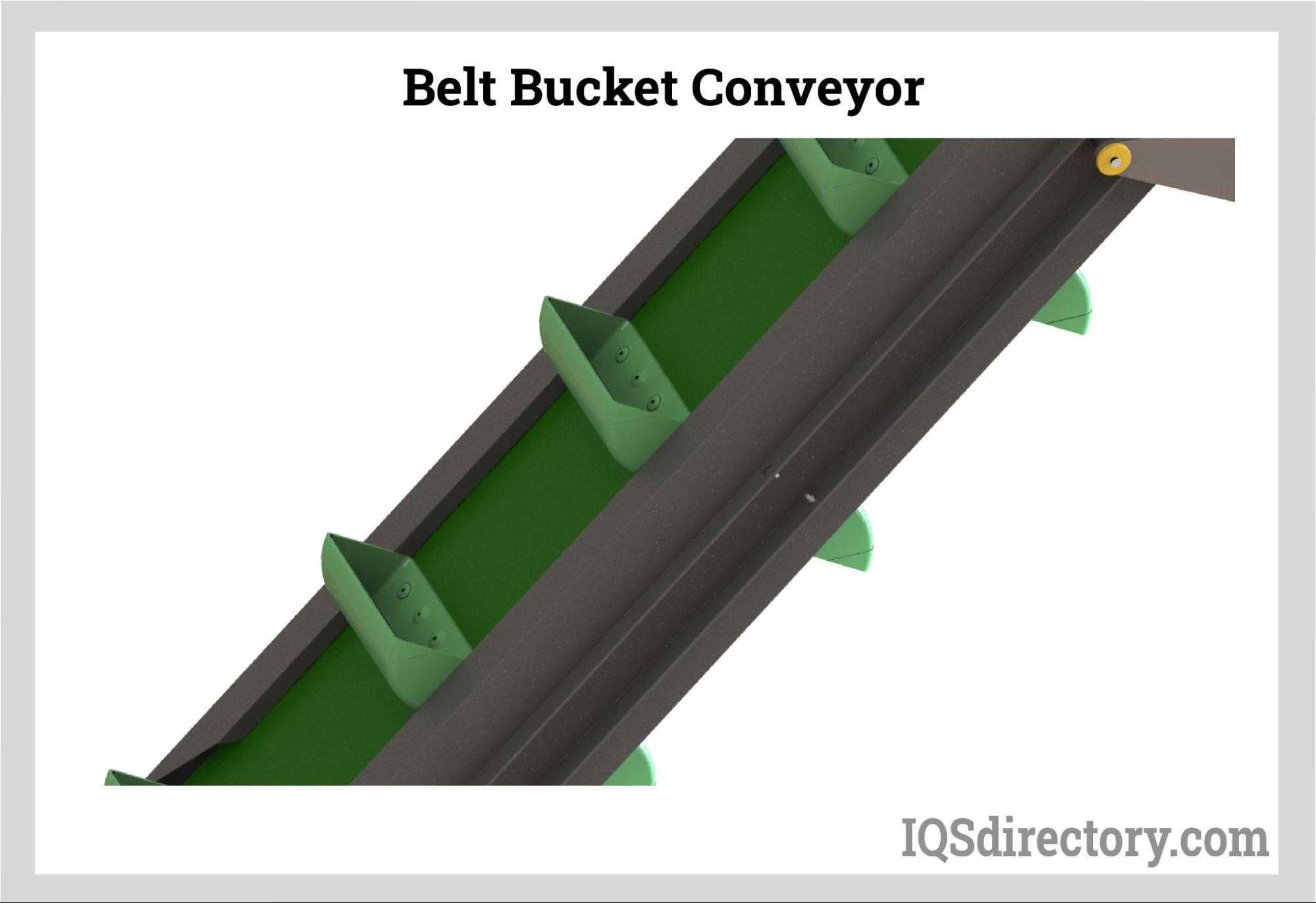
Bucket Conveyors
A bucket elevator or grain leg is used to move items in bulk. The usage of bucket elevators is widespread, notably in commercial agriculture and mining, and several specialized businesses manufacture bucket elevators and…
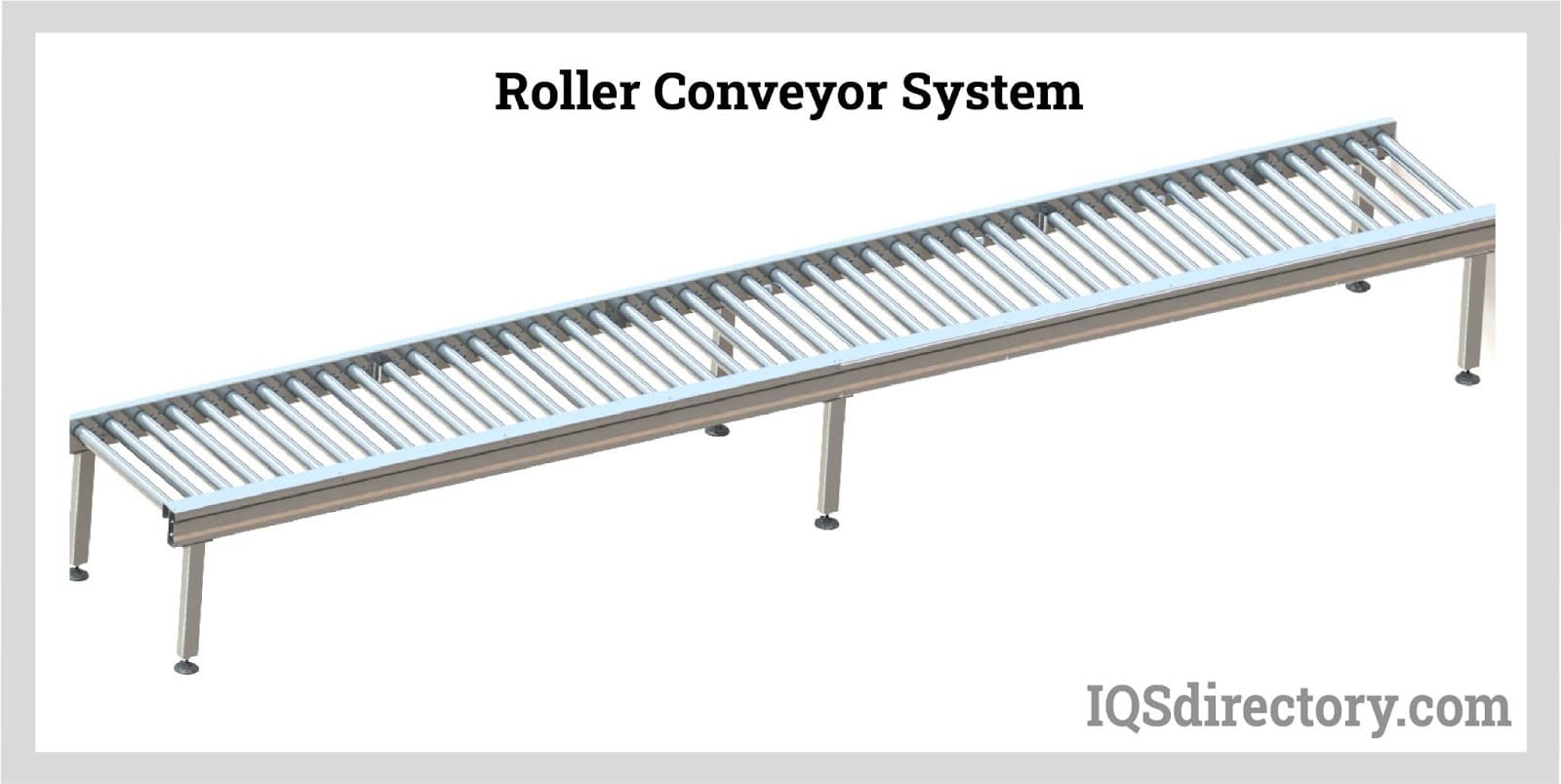
Roller Conveyors
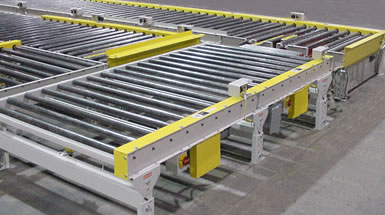
Roller conveyors are a type of conveyor belt that allows objects to skate on its surface by using rollers, which are equally spaced revolving cylinders. They transport stuff from one location to another…
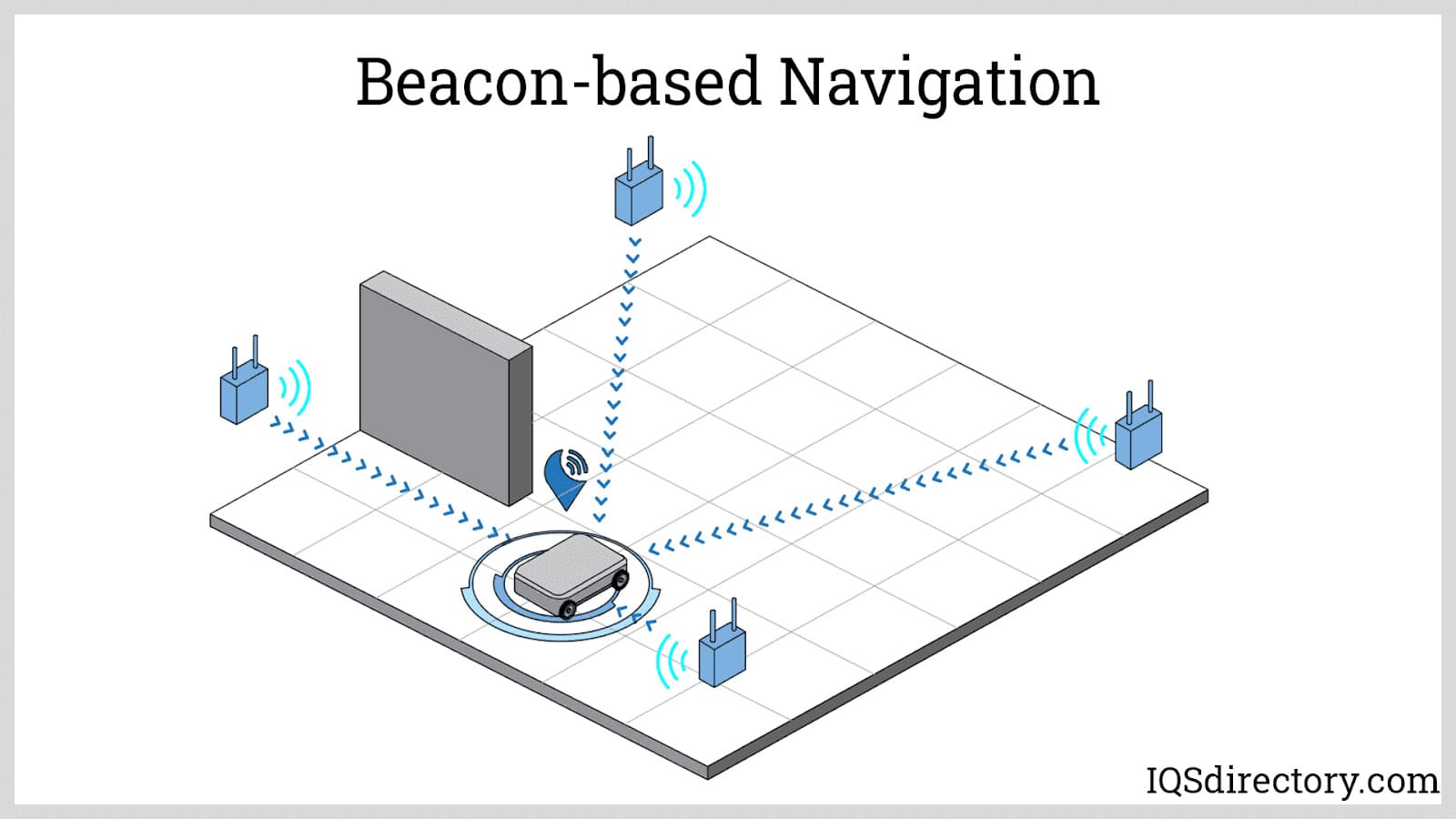
Automated Guided Vehicles
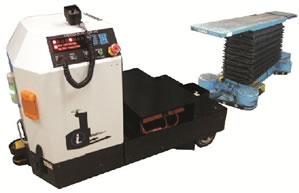
Automated guided vehicles (AGV) or mobile robots are types of guided robotic systems that are not bounded by a fixed range of motion. Rather, it is self-contained and can move along a line, surface, or space…
Types of AGVs (Automatic Guided Vehicles)
In 1954, when Arthur “Mac” Barrett, of Barrett Electronics Corporation, unveiled the first AGV, he named it Guide-o-Matic and described it as a driverless vehicle. Guide-O-Matic was a towing machine that followed a signal given from a wire in the ceiling…
To provide the best experiences, we use technologies like cookies to store and/or access device information. By using this site, you agree to our Privacy Policy.